Balancing the Physical and Digital: Lessons from Retailers Abroad
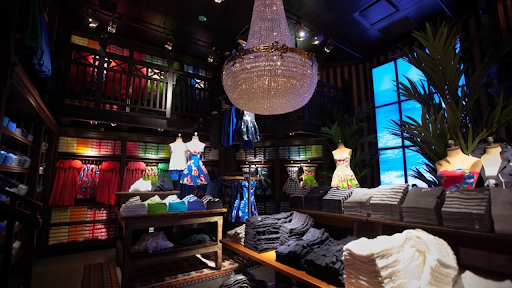
Dim lights, loud pop hits, and clothes you could barely see- it was all part of the exclusive, beachy experience that made Hollister Co. iconic. Or maybe it was the oversized shopping bags from Abercrombie, or the curated window displays of department stores that defined peak U.S. retail. These immersive elements weren’t accidental; they were central to brand identity. Before the pandemic, shopping was as much about atmosphere and experience as it was about the product itself.
Today, that experience has been split between physical and digital channels. The shift became most prominent during the COVID-19 shutdown when retailers and consumers were completely rerouted to online shopping channels. What was meant to be a temporary fix has stuck and has led to a lasting transformation. The capabilities of online shopping have only expanded since, with faster shipping and more return options than ever. For many retailers, this has presented itself as an attractive distribution channel to expand, as the operational costs of maintaining websites are often much lower than physical stores.
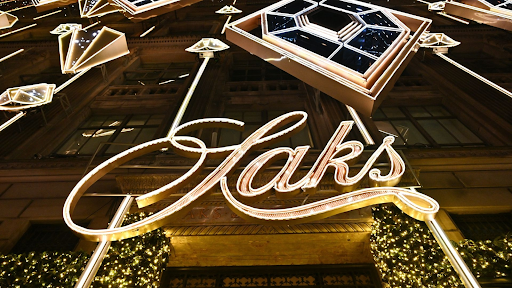
What was once a concern for a digital takeover is now materializing. Recent bankruptcies in the fashion industry signal this ongoing pressure on traditional U.S. retail. Perhaps the most notable example of this has been Saks Fifth Avenue's bankruptcy announcement at the beginning of the year.
The impact of this changing landscape ripples through the entire fashion ecosystem, affecting suppliers and fashion brands as well. Department stores have historically served as key distribution channels, particularly for luxury and emerging brands. As these channels weaken, brands face increased pressure to build direct relationships with consumers or risk losing visibility altogether. While the U.S. market has continuously struggled to balance the physical and digital after the pandemic, there are some markets abroad that are balancing both channels quite well.
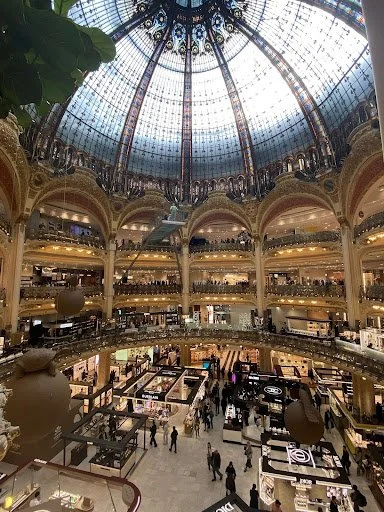
During my spring break in Paris, I explored thrift stores, malls, and boutiques, experiencing first-hand the difference between U.S. and international retail. At Galeries Lafayette, the contrast from a typical American mall was striking. As soon as I walked in, I was in awe of the tall glass dome that created an atmosphere of openness and grandeur. It felt like walking through a museum, with artistically styled mannequins as the exhibits. Open layouts blended each brand seamlessly into one another, facilitating endless browsing and discovery. Even the house music contributed to that high fashion runway experience rather than a commercial transaction.

Photos courtesy of Jaquelin VasquezBeyond luxury, the thrift stores also leaned into a vibe. Little details like exposed brick walls, vintage posters, and spiral metal staircases created a unique experience. Compare that to the sterile environment of your local Goodwill or Plato’s Closet. It’s clear that fashion retailers abroad have cracked the code for making in-person shopping fun again.
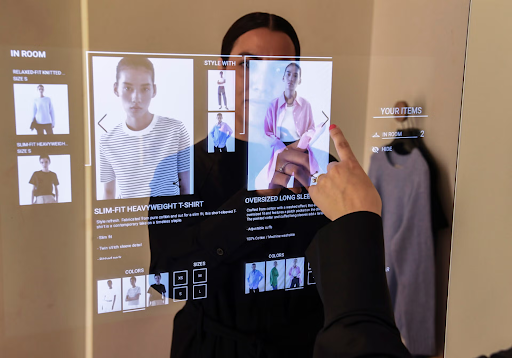
Despite the challenges in U.S. retail, I believe in-person shopping can be revived. U.S. retailers have the opportunity to reimagine their spaces and experiment with design and storytelling to make in-person shopping fun again. At the same time, we shouldn't shy away from new technology, but rather leverage it to enhance the in-store experience. For example, technologies such as smart fitting room mirrors and interactive displays enhance personalization while also serving as a spectacle for shoppers to engage with. The goal is not to compete with e-commerce sales but to offer something that websites can't: a memorable experience.