
Why Do We Dress Up? The Fashion History of Halloween
Halloween: the one night of the year when showing up in a wig, corset, fake blood, or 6-inch heels is completely acceptable. From the classic black cat to the celebrity recreation that took four weeks and one too many Amazon orders, Halloween has become as much of a fashion show as it is a holiday. Every October, our closets become our costume departments, and for one weekend (or two in college) getting dressed up means becoming something or someone completely different.
But before finding inspiration on TikTok, frantic runs to Spirit Halloween, and last-minute trips to CVS, dressing up for Halloween looked very different. Believe it or not, the earliest costumes were not in fact chosen specifically for the cutest Instagram photos.
The tradition of dressing up can be traced back over 2,000 years to the ancient Celtic festival of Samhain, which marked the end of the harvest season and beginning of the darker half of the year. According to Celtic tradition, this time blurred the boundary separating the living from the supernatural. People dressed as monsters or animals to protect themselves or blend in with the spirits believed to be wandering among them.
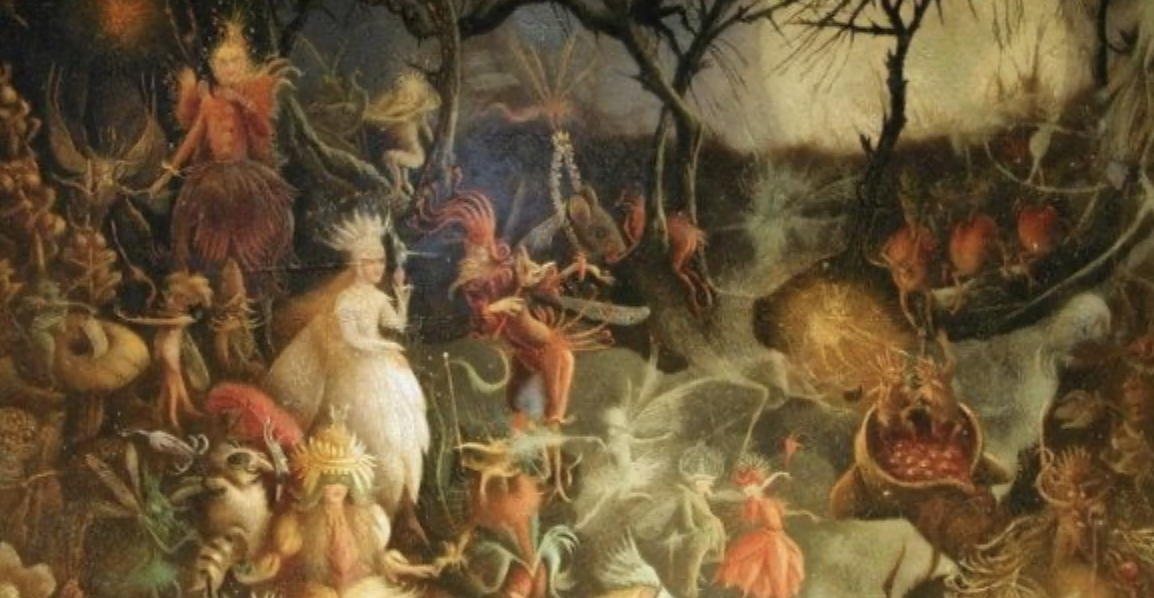
In other words, the first Halloween outfits were less of “who are you dressed as” and more of “will this stop a ghost from recognizing me?”
As centuries passed, the disguise stuck, and its purpose began to change. By the 16th century, a tradition known as “guising” had become common in Scotland and Ireland. Children would disguise themselves, travel from house to house, and receive treats—an early ancestor of the trick-or-treating we know today. Irish and Scottish immigrants later brought many of these traditions with them to the United States, where Halloween gradually developed its distinctly American identity.
By the early 20th century, Halloween was not just about looking frightening but about costumes, and Halloween parties became new opportunities to play with appearance. Even one of Halloween's most recognizable looks, the witch, changed along with fashion. Historic images show witches transferring from spooky folklore figures to glamorous and playful characters. The witch never went out of style, she just got a makeover.
As Halloween became increasingly popular in the U.S., costumes began following pop culture. Costumes were no longer limited to ghosts and witches. People would become characters, celebrities, or whatever happened to be having a moment that year.
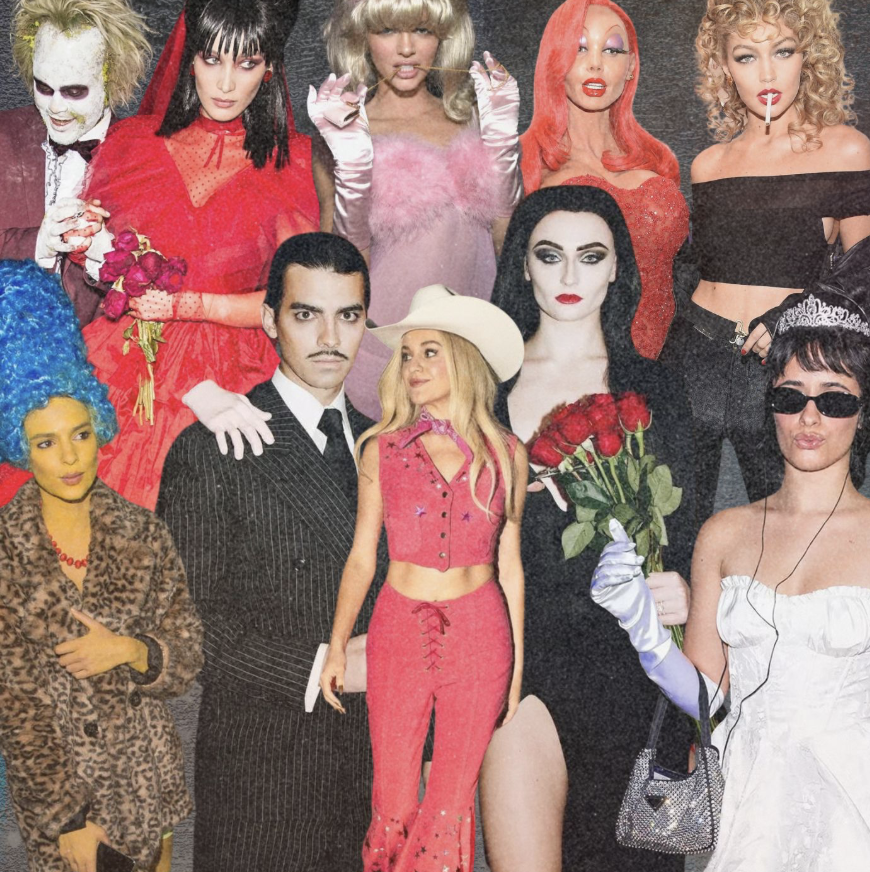
That evolution continues every October. Halloween costumes can almost be thought about as a fashion time capsule. What people wear can reveal what movies we watched, which celebrities we were obsessing over, and what trends we sought out.
Fashion has always allowed us to communicate something with ourselves without saying anything. Halloween simply takes that to another level.
Maybe that is why, thousands of years later, people have never stopped dressing up. After all, fashion is already about deciding who you want to be when you get dressed up in the morning.
Halloween just lets you take it one step further.
