Opposites Attract: Dressing Beyond Gender, the Key to Looking Niche
Fashion today is no longer confined to strict categories. The rise of niche aesthetics has pushed style into a space where identity, creativity, and personal expression matter more than traditional gender norms. One of the most fascinating trends is that men incorporate subtle feminine elements into their outfits, while women adopt masculine silhouettes to create structure and presence. The result is a fashion landscape driven by contrast, balance, and confidence.
For men, niche fashion often leans toward softer lines and delicate details. This isn’t about appearing traditionally feminine; it’s about feminine characteristics to enhance and balance masculine proportions.

Photo from Pinterest
Men typically have broader shoulders and straighter torsos, so introducing feminine-coded elements can create a sense of intentional proportion. Having shirts fitted to the waist at the hem can create a softer silhouette. Cropped shirts have been on the rise. The use of smooth, flowing fabrics, such as silk, satin, or lightweight knits, can bring movement and fluidity, creating a look that feels expensive, elevated, and feminine without compromising structure. The tones of an outfit can also soften the overall look, with pastels and muted colors adding a calm, understated warmth that enhances.
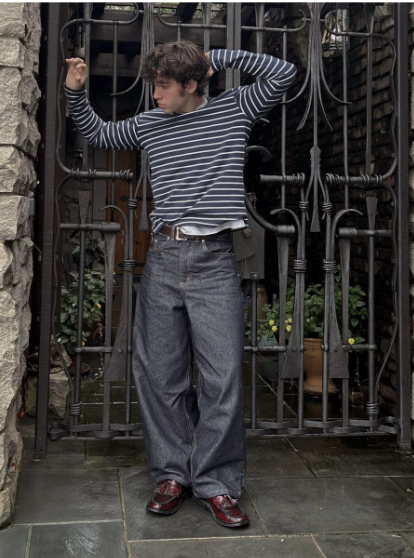
Photo from Pinterest
Finally, one of the most underrated items is fashion accessories. Accessories such as subtle jewelry: bracelets, rings, scarves, and fine belts add detail without overwhelming the outfit. These touches create an aesthetic that feels curated and expressive, nodding to traditionally feminine sensibilities without losing its edge.
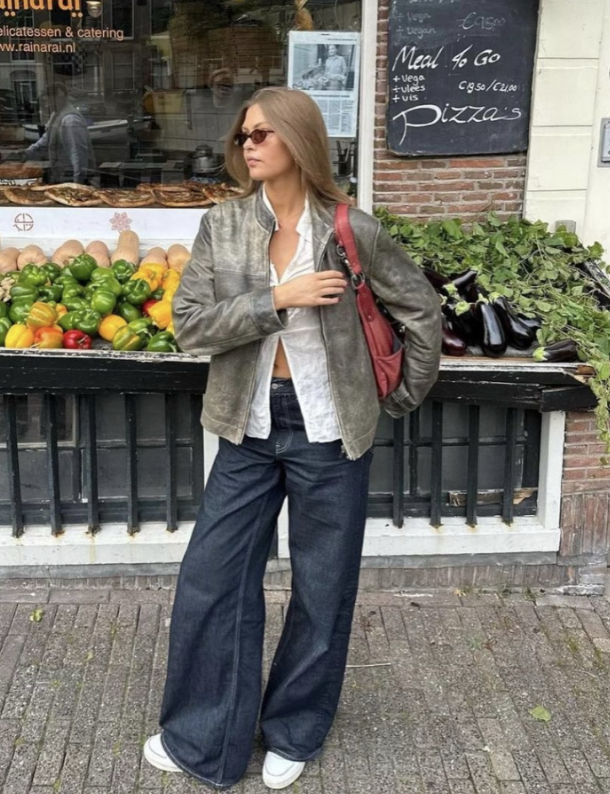
Photo from Pinterest
On the other side, women in niche fashion use masculine silhouettes to create a look that is bold, structured, and effortlessly cool. The appeal lies in how masculine cuts can reshape the body.
Oversized jackets and broad shoulders build presence, giving the outfit an intentional sharpness that defines the upper body and anchors the entire look. Straight-cut or wide-leg pants remove the emphasis from structure and curves. Layering traditionally masculine pieces, such as button-downs, vests, and long coats, with subtle feminine touches like delicate jewelry or fitted tops creates a balanced, intentional contrast. Pairing the outfit with masculine footwear, such as loafers or combat boots, helps ground the look and reinforce its framed aesthetic. The approach isn’t about hiding femininity, it’s about reframing it.
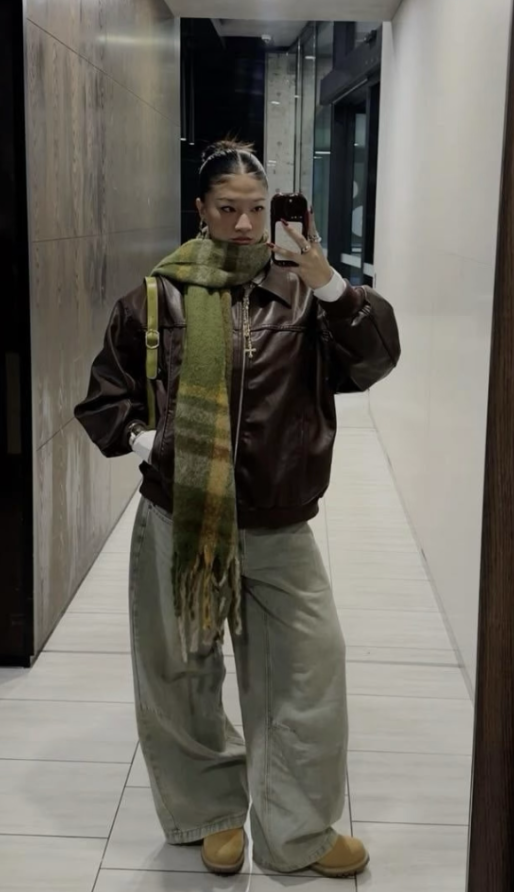
Photo from Pinterest
What makes these niche aesthetics so compelling is that they don’t rely on gender to define clothing, but instead focus on the visual and structural elements that shape how an outfit is read. Rather than separating garments into “masculine” or “feminine,” these styles emphasize the artistry behind how clothing interacts with the body. They prioritize silhouette, paying close attention to the outline and overall form an outfit creates; proportion, considering how each piece contributes to balance, emphasis, or distortion; and contrast, playing with the tension between soft and structured, delicate and bold, fluid and rigid.
Men who incorporate thoughtfully feminine details and women who embrace masculine cuts are both drawing from these same foundational design principles. Their looks succeed not because they mimic another gender’s wardrobe, but because they’re intentionally constructed around shape, balance, and visual harmony. The goal is not to replicate a traditional style associated with a different gender, but to explore the full spectrum of fashion’s visual language, to treat clothing as a medium for creativity rather than a category defined by norms.