Fashion in Frankenstein: Inside the Oscar-Winning Costumes
In a year full of visually stunning films, one stood out for its haunting yet beautiful wardrobe: Frankenstein. The film’s costumes, designed by Kate Hawley, earned the Academy Award for Best Costume Design at the 98th Academy Awards this March, solidifying the film’s reputation as one of the most visually striking productions of the year.
Hawley’s designs blend historical research, gothic and romantic aesthetics, and modern artistic influences to create a wardrobe that feels fantastical, yet grounded and emotionally expressive. Working alongside director Guillermo del Toro, who is known for his richly detailed fantasy worlds, Hawley helped transform Mary Shelley’s classic story into a visual masterpiece where fashion plays a central storytelling role.
A New Vision of Gothic Style
Rather than simply recreating historical fashion, Hawley approached costuming as a way to shape the film’s atmosphere. Drawing inspiration from nineteenth-century silhouettes, she incorporated dramatic textures, layered fabrics, and deep jewel tones to create a wardrobe that feels romantic, mysterious, and slightly otherworldly.
The costumes reflect the gothic tone of the story while also highlighting themes of ambition, creation, nature, and humanity. Structure plays a key role: tailored pieces and corsetry suggest control and precision, while softer, more fluid fabrics evoke something more organic and unpredictable. This contrast mirrors the film’s central tension between scientific ambition and the uncontrollable nature of life itself.
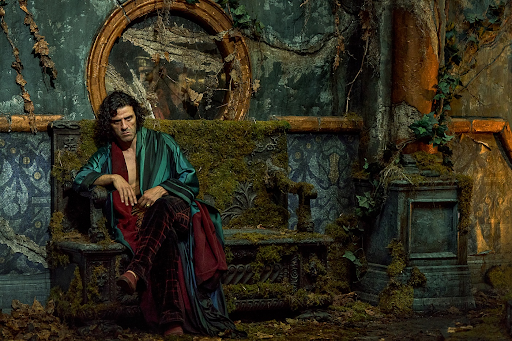
Color is especially important in establishing this world. Rather than completely relying on a muted, traditionally dark gothic palette, the film uses many rich, saturated tones to emphasize that life and death are constantly intertwined. Deep reds, for example, recur across key costumes and other elements, creating visual threads that connect characters and moments over time. These carefully chosen fabrics, hues, and textures ensure that the wardrobe itself is an active storytelling element, giving the world a sense of emotional continuity and intentionality.
Character-Driven Costuming
One of the reasons Hawley’s work stood out during awards season was her ability to use clothing to reveal character psychology and development. Each costume is carefully designed not just to fit the world, but to reflect the inner lives of the characters.
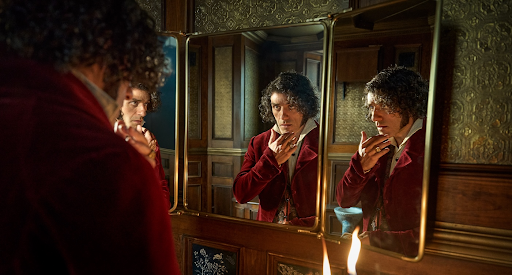
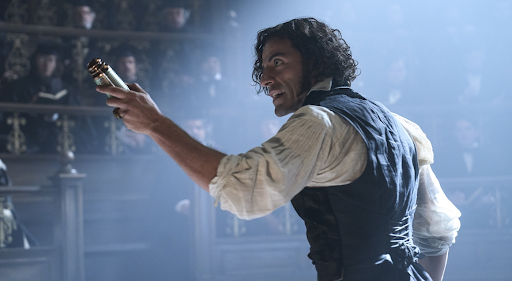
Victor Frankenstein, played by Oscar Isaac, is dressed with a kind of chaotic elegance. He wears romantic poet shirts, layered robes, and dramatic silhouettes inspired by nineteenth-century intellectual fashion. Hawley cited figures like David Bowie as inspiration, and that influence is clear in Victor’s theatrical presence. His clothing is deliberately unruly, showing his growing instability beneath his genius.
Elizabeth, portrayed by Mia Goth, is dressed in iridescent fabrics and intricate jewelry inspired by insects and natural forms. These details emphasize her connection to nature, life, and transformation. As the film progresses, her delicate and luminous costumes visually reinforce her role as a moral and emotional counterbalance to Victor’s destructive ambition.
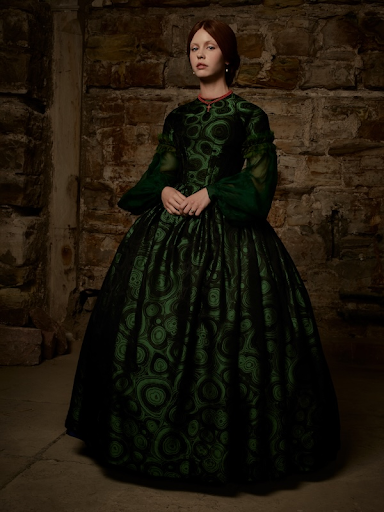
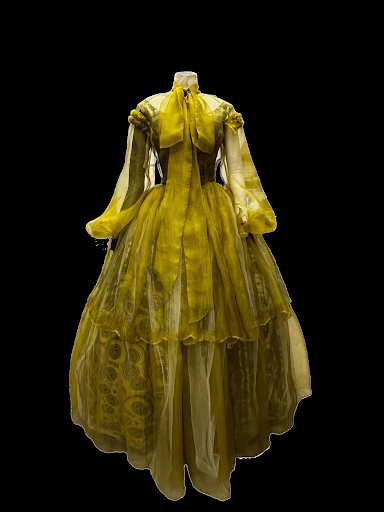
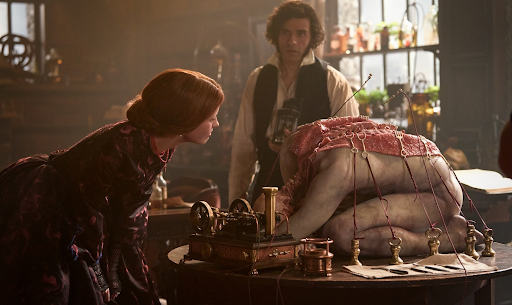
The Creature, played by Jacob Elordi, is presented with striking vulnerability. Rather than leaning into traditional monster imagery, Hawley dresses him in garments that feel fragile and incomplete, emphasizing his vulnerability. As he grows, his silhouette subtly changes, becoming larger and more defined as he collects more garments, reflecting his increasing awareness and presence in the world. The result is a portrayal that emphasizes fragility and humanity over horror, encouraging the audience to see him as something deeply human.


Why It Was Oscar-Worthy
Hawley’s costumes in Frankenstein do more than clothe characters; they define them, shape the world, and emphasize the story’s emotional weight. From Victor’s unruly elegance to Elizabeth’s ethereal ensembles and the Creature’s layered vulnerability, every choice contributes to a fully realized visual language.
The film’s artistry was recognized across the board: in addition to Best Costume Design, Frankenstein won the Oscars for Best Production Design and Best Makeup and Hairstyling, showcasing the seamless collaboration that brings its gothic world to life.
In Frankenstein, fashion is storytelling, psychology, and world-building in one, showing that the right costumes can elevate a film from visually striking to truly unforgettable.
Research and Photo Sources:Elle, Motion Picture Association